
The marketing world is shifting faster than ever, demanding fresh approaches and sharp thinking. Are you prepared to seize the advantage in 2025?
This guide delivers the latest, data-driven strategies for better marketing, designed to help you rise above the competition. Whether you are a marketer, business owner, or growth leader, you will find actionable insights and proven tactics throughout.
Discover how to put people first, harness new technologies, use data for smarter decisions, build authentic brands, and master omnichannel engagement. The time to adapt is now—use this guide to unlock growth, loyalty, and long-term success in the evolving market.
The New Marketing Mindset: Putting People First
Marketers today face a rapidly shifting environment. Consumer expectations are higher than ever, and authentic connection is now central to better marketing. Brands that put people at the heart of every strategy will lead the way in 2025.
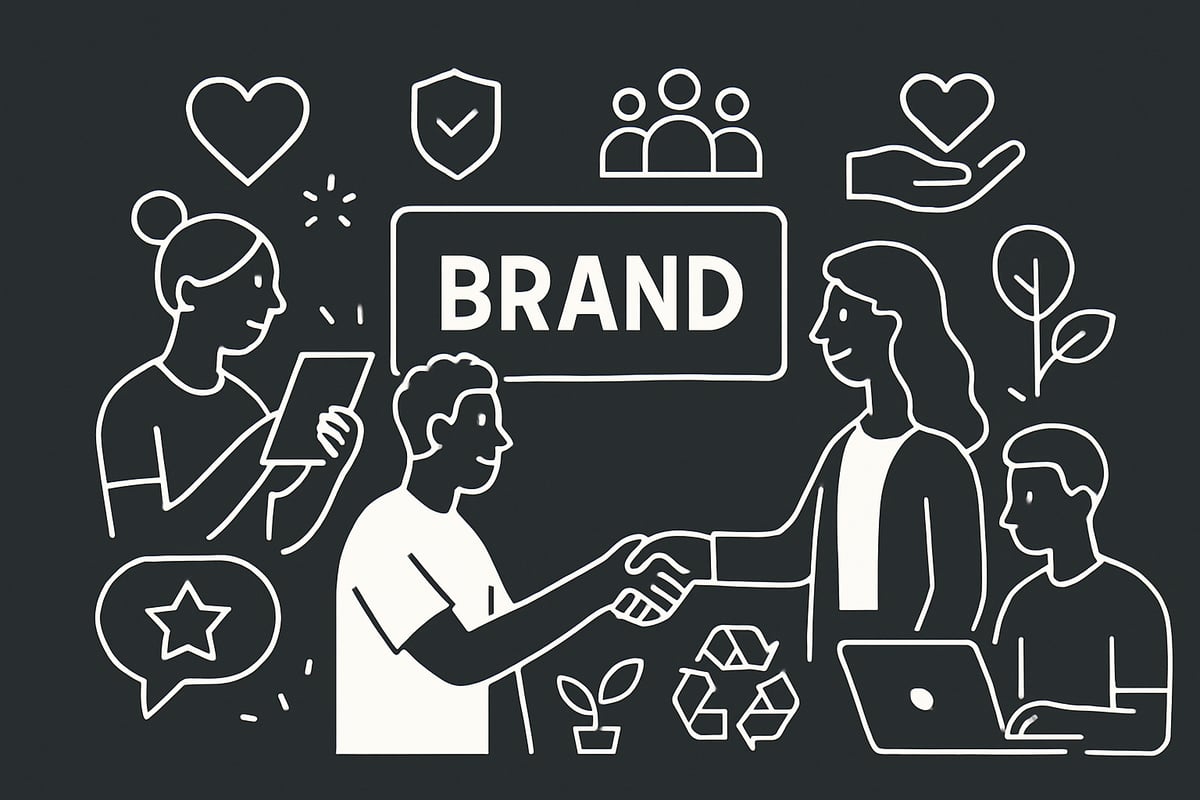
Understanding the Shift Toward Human-Centric Marketing
Consumer demands are evolving fast. People expect transparency, inclusivity, and genuine brand behavior. The World Federation of Advertisers’ Putting People First report highlights a decade of insights into aligning brands with real human needs.
When marketing misses the mark or feels tone-deaf, it can damage trust quickly. Today, empathy and social responsibility are essential in every campaign. Brands like Samsung and EA are setting the pace with people-first initiatives that reflect real consumer values. This approach is not just ethical, it is core to better marketing in the modern era.
Building Trust and Authenticity in Every Touchpoint
Trust is the cornerstone of loyalty and long-term brand value. For better marketing, every interaction should deliver on your brand promises. Consistent messaging and genuine actions matter far more than empty statements or performative activism.
Brands that prioritize people-first marketing see higher engagement, according to WFA data. Patagonia, for example, has built enduring trust by staying true to its purpose and values. Authenticity is not a slogan, it is a daily commitment that resonates with today’s audiences.
Diversity, Equity, and Inclusion as Core Brand Values
Representation is more than a trend, it is a necessity for better marketing. Diverse teams and campaigns reach wider, more engaged audiences. Insights from Belinda J. Smith at EA show that positive portrayals of gender and ethnicity drive stronger connections with customers.
DEI is both an ethical imperative and a business advantage in 2025. Campaigns that celebrate diversity consistently outperform generic messaging. For growth, inclusion must move from aspiration to action, becoming a visible part of your brand’s identity.
Listening to Your Audience: Feedback Loops and Co-Creation
Community-driven marketing is on the rise. Brands that listen and adapt based on real feedback build stronger loyalty and credibility. Set up effective feedback channels, such as surveys, social listening, and online forums, to capture genuine insights.
User-generated content is a powerful tool for better marketing, boosting conversion rates by up to 8.5% (WFA research). When customers co-create with brands, they become advocates. Engage your audience, and let their voices help shape your next big campaign.
Social Impact and Purpose-Driven Campaigns
Integrating social and political change into your marketing strategy brings both risks and rewards. According to Paul Kemp-Robertson of Contagious, consumers expect brands to stand for something meaningful.
Purpose-led messaging must go beyond the surface. Measure the real impact of your campaigns to ensure alignment with your brand’s authentic values. Brands supporting sustainability and social good are seeing positive results. For better marketing, purpose is not a trend, it is a long-term commitment to people and progress.
Data-Driven Marketing: Harnessing Analytics and AI for Growth
Data has become the cornerstone of better marketing. In an environment where results are king, marketers must harness analytics and AI to fuel growth, drive smarter decisions, and deliver personalized experiences at scale. This section explores how to unlock the full potential of data-driven marketing in 2025.
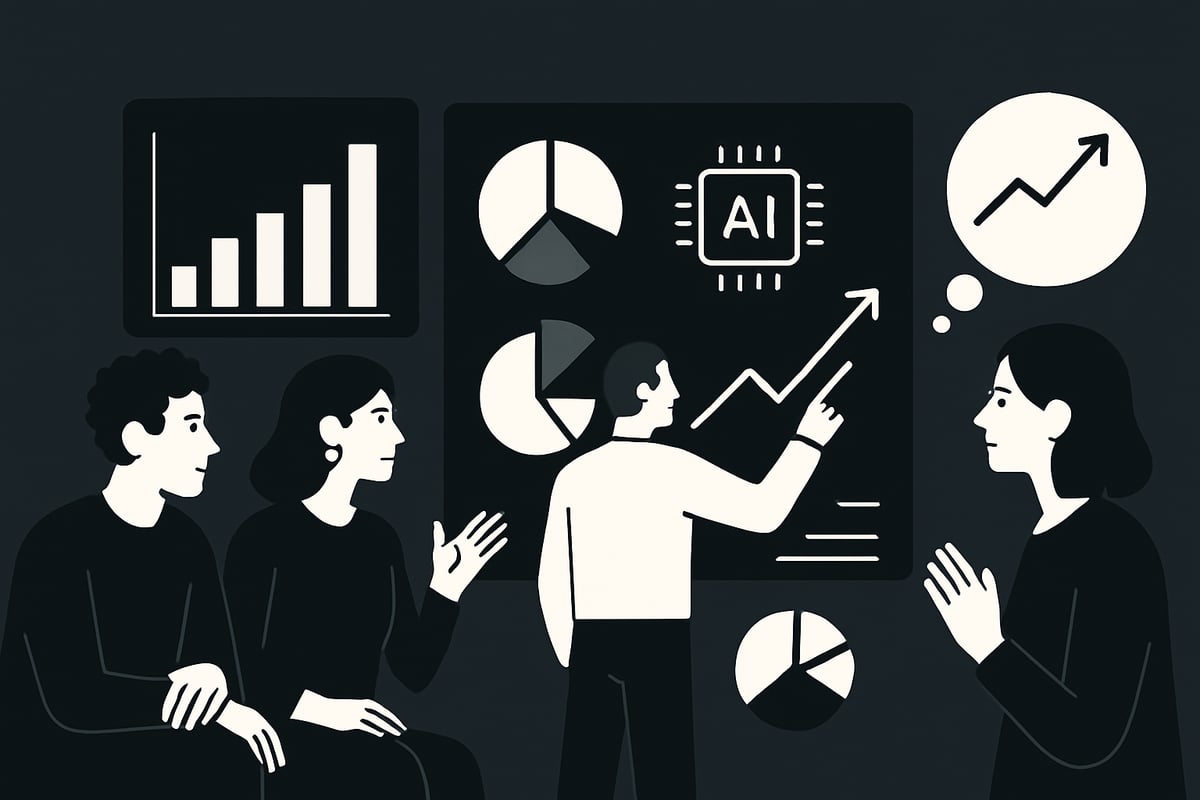
The Evolving Role of Data in Marketing Strategy
Today, data is the backbone of better marketing. Marketers rely on a mix of first-party, third-party, and zero-party data to understand audiences and drive impactful campaigns.
| Data Type | Description | Use Case |
|---|---|---|
| First-party | Data collected directly from customers | Email sign-ups, purchases |
| Third-party | Data from outside sources | Broader audience targeting |
| Zero-party | Data intentionally shared by users | Preferences, surveys |
As third-party cookies phase out, brands are pivoting to robust first-party data strategies. This shift demands transparency and a renewed focus on consumer trust. Marketers who embrace this evolution consistently outperform those who rely on intuition alone, setting a new standard for better marketing.
AI, Automation, and Personalization at Scale
AI is transforming better marketing through smarter audience segmentation, real-time campaign automation, and hyper-personalized messaging. Brands now use AI to tailor content, offers, and experiences to individual preferences.
Meta's use of AI for targeted messaging is a case in point. By leveraging automation, they deliver relevant content that resonates and converts.
According to industry data, personalized campaigns powered by AI achieve 5-8x the ROI of generic efforts. The challenge is to balance automation with creative human insight. For a deeper dive into how AI is reshaping marketing, explore our AI and ecommerce marketing guide.
Predictive Analytics and Marketing Forecasting
Predictive analytics allows marketers to anticipate customer behaviors, forecast demand, and optimize spend for better marketing outcomes. By leveraging predictive models, brands can time campaigns, select the most effective channels, and allocate resources with greater confidence.
Leading companies use advanced analytics tools to identify trends before they become mainstream. This proactive approach helps marketers stay ahead in a dynamic landscape.
Research shows that organizations using predictive analytics are 2.9 times more likely to outperform their peers. Integrating predictive insights is essential for driving better marketing results in 2025.
Privacy, Consent, and Ethical Data Use
With privacy regulations like GDPR and CCPA shaping the landscape, ethical data practices are critical for better marketing. Brands must prioritize transparent data collection, clear consent management, and responsible use of consumer information.
Implementing consent management platforms and clear privacy policies builds consumer trust. Brands that make privacy a core value enjoy higher retention and loyalty.
Ethical data use is more than compliance, it is a strategic differentiator. In 2025, consumers will reward brands that respect their data, making privacy essential to any better marketing strategy.
Measuring What Matters: KPIs and Attribution Models
To achieve better marketing, it's crucial to measure beyond vanity metrics. Setting meaningful KPIs and employing multi-touch attribution models help marketers understand true ROI and optimize campaigns in real time.
Modern marketers use dashboards for instant performance tracking. Advanced attribution models provide a 30% improvement in ROI, according to WFA tools.
By focusing on actionable insights and refining strategies based on real data, marketers ensure every dollar spent drives measurable growth. This disciplined approach is central to better marketing success in the coming year.
Storytelling and Brand Building in a Distracted World
Storytelling is at the core of better marketing in today's attention-deficit environment. Brands face the challenge of capturing fleeting attention spans while building lasting emotional connections. To succeed in 2025, marketers must master the art and science of narrative, ensuring every touchpoint resonates with clarity and authenticity.
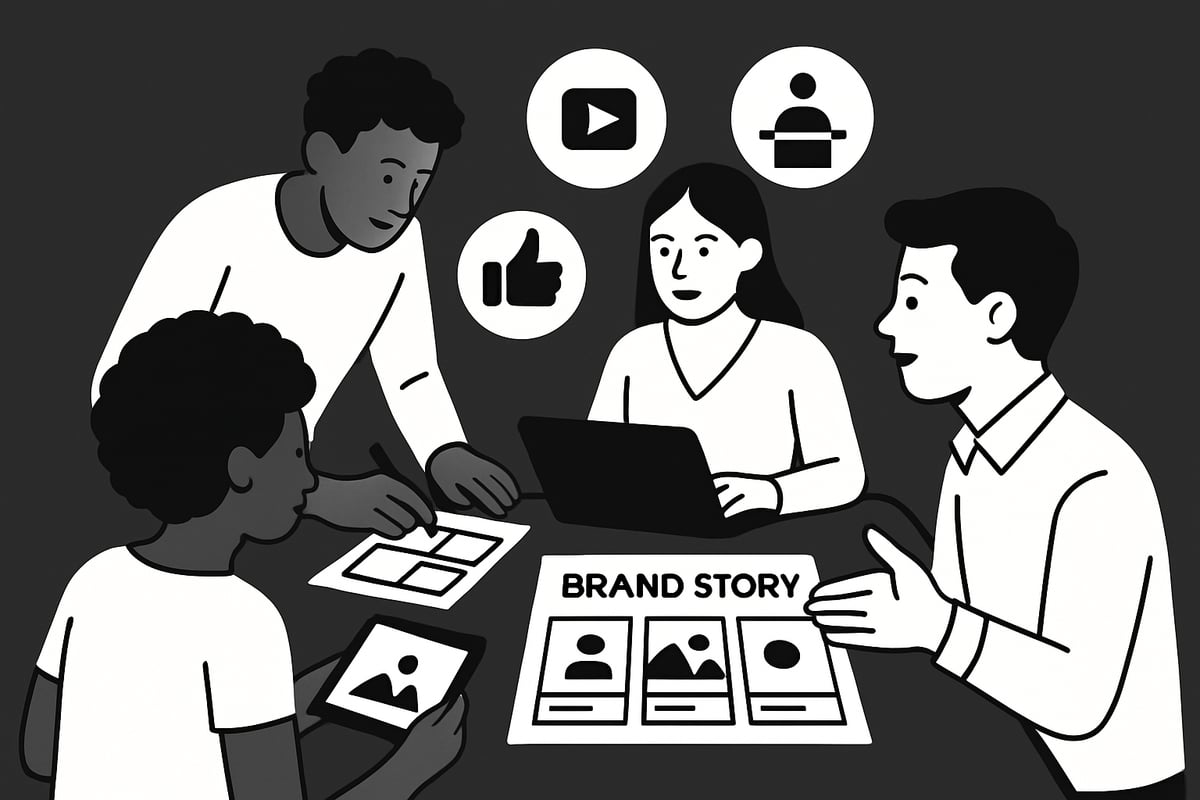
The Power of Story: Crafting Narratives That Resonate
A compelling story sits at the heart of better marketing. It is not just about what you sell, but why you exist. Elements such as clear values, relatable characters, and authentic conflict help your brand stand out in a crowded market.
Brands like Apple and Patagonia have built their reputations on consistent, emotionally charged narratives that foster loyalty. Storytelling creates memorable experiences, encouraging customers to recall and share your message. In an age of constant distraction, a well-crafted story is your most effective tool for cutting through the noise and building a genuine connection.
Strategy vs Tactics: Building a Cohesive Brand Philosophy
Distinguishing between strategy and tactics is critical for better marketing. Strategy defines your long-term vision and brand philosophy, guiding every decision and campaign. Tactics are the short-term actions that support this larger goal.
Brands that focus on their unique philosophy, rather than copying competitors, develop resilience and distinctiveness. For example, companies with enduring strategies thrive while those chasing trends often falter. To deepen your understanding of what drives sustainable results, explore growth marketing strategy essentials for actionable approaches that align with your brand's core values.
Permission Marketing and Audience Engagement
The evolution from interruption-based to permission marketing has redefined audience relationships. Today, better marketing is about earning trust and building opt-in communities. Email newsletters, loyalty programs, and content subscriptions foster two-way engagement.
Permission-based campaigns deliver double the engagement rates of traditional approaches, proving the value of respect and relevance. When customers choose to interact, they are more likely to become advocates. Focusing on authentic, ongoing engagement ensures your brand maintains a competitive edge in a saturated landscape.
Storytelling Across Omnichannel Touchpoints
Omnichannel storytelling is essential for better marketing as consumers navigate multiple platforms daily. Adapting your narrative for social media, video, audio, and experiential channels ensures consistency while allowing for contextual customization.
Leading brands integrate their stories across all touchpoints, resulting in a 23% increase in brand lift. Consistency builds recognition, while tailored content enhances relevance. A unified narrative, delivered wherever your audience is present, strengthens both recall and affinity for your brand.
Building Brand Reputation and Managing Crises
Proactive reputation management is a pillar of better marketing in the digital era. Brands must monitor feedback, respond swiftly to negative comments, and learn from public scrutiny. Cathay Pacific’s post-pandemic rebuild demonstrates the value of transparency and resilience.
Using real-time monitoring tools, brands can address issues before they escalate. Strong reputations recover more quickly from crises, and a commitment to honesty reinforces trust. Ultimately, investing in brand reputation safeguards long-term growth and customer loyalty.
Omnichannel Marketing: Integrating Digital, Social, and Offline
In 2025, better marketing is defined not by isolated campaigns but by seamless, omnichannel experiences. Brands that integrate digital, social, and offline touchpoints position themselves to exceed customer expectations and drive measurable results. Understanding and optimizing this integration is now a critical driver for better marketing outcomes.
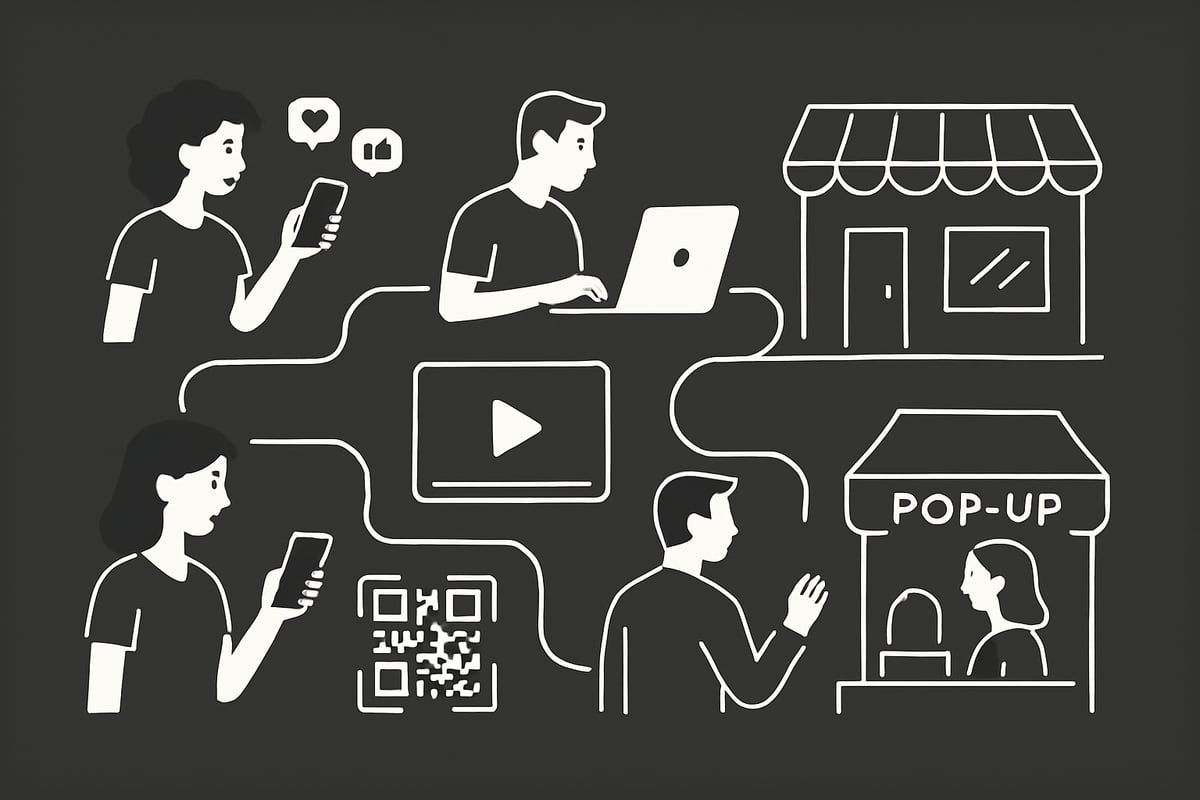
Mapping the Customer Journey in 2025
Today’s customer journey is anything but linear. Consumers weave through digital ads, social feeds, physical stores, mobile apps, and even voice assistants before making a purchase. For better marketing, mapping every touchpoint is vital.
Consider this: 73% of consumers use multiple channels before buying. Brands that blend online and offline experiences—such as allowing customers to research online and pick up in-store—create frictionless journeys.
Key steps for mapping the journey:
- Identify all customer touchpoints, both digital and physical.
- Use sales and behavioral data to uncover hidden conversion paths.
- Continuously update journey maps as channels and behaviors evolve.
This approach uncovers opportunities for better marketing and ensures no customer interaction is overlooked.
Social Media Evolution: From Engagement to Commerce
Social media is no longer just about engagement; it is now a powerful commerce engine. In the era of better marketing, platforms like Meta and TikTok have introduced shoppable content, live shopping, and seamless checkout features.
The rise of influencers and branded communities accelerates this shift. Social commerce is projected to reach $1.2 trillion by 2025, making it a crucial channel for brands.
To win:
- Embrace social commerce tools and features.
- Partner with creators for authentic promotion.
- Build communities that support ongoing engagement and transactions.
Better marketing strategies leverage these trends to drive both brand awareness and direct sales.
Content Marketing and Video Domination
Content remains king, but video wears the crown in 2025. For better marketing, brands must prioritize high-quality video content across platforms. Short-form videos on YouTube Shorts, Instagram Reels, and TikTok generate outsized reach and shareability.
Video content produces 1200% more shares than text and images combined. The right mix of short and long-form video depends on your audience and message.
Tips for success:
- Invest in creative storytelling that aligns with your brand.
- Tailor content length and style to each platform.
- Monitor engagement metrics to refine your video strategy.
With better marketing, quality and relevance trump quantity every time.
Offline and Experiential Marketing’s Digital Integration
Offline marketing is evolving, not disappearing. In-person events, pop-up shops, and experiential activations are making a strong comeback, especially when paired with digital enhancements. For better marketing, integrating tools like QR codes, augmented reality, and virtual reality can transform traditional experiences.
Hybrid events now influence 85% of purchase decisions. Brands that blend physical and digital create memorable, interactive experiences.
Consider:
- Using digital check-ins at live events for data capture.
- Offering AR product demos in-store.
- Encouraging social sharing from offline experiences.
This integration elevates better marketing, making every touchpoint measurable and engaging.
Marketing Technology Stack: Choosing the Right Tools
A robust martech stack is critical for orchestrating omnichannel campaigns and tracking success. For better marketing, brands need CRM systems, customer data platforms, and automation tools that seamlessly integrate across channels.
Integration challenges are common, but companies with unified platforms see 20% higher efficiency. Selecting the right tools enables real-time performance tracking and smarter decision-making. To explore some of the most effective solutions, check out this Marketing report tools overview.
Key considerations:
- Prioritize systems that support omnichannel data collection.
- Ensure scalability and compatibility with existing workflows.
- Invest in platforms that offer actionable analytics for better marketing decisions.
A strategic tech stack empowers teams to deliver consistent, data-informed experiences at every customer touchpoint.
Future-Proofing Your Marketing Team and Processes
Adapting your team and processes is essential for better marketing in 2025. As the pace of change accelerates, organizations must invest in skills, agility, inclusion, technology, and a culture that embraces innovation. Let’s explore how to future-proof your marketing operations and ensure lasting success.
Upskilling and Talent Development for 2025
The marketing landscape is shifting fast, making talent development a critical priority for better marketing outcomes. The growing demand for digital, analytics, and creative skills means teams must continuously learn and adapt. Forward-thinking brands are investing in certifications, workshops, and mentorship to keep their workforce ahead.
A skills-first approach is gaining traction, focusing on competencies rather than just degrees. The Skills-First Framework offers a blueprint for building a resilient team. According to industry benchmarks, teams with ongoing training outperform peers by 32%.
Prioritizing upskilling not only fills skill gaps but also boosts morale and retention.
Agile Marketing and Cross-Functional Collaboration
Agility is at the heart of better marketing in 2025. Organizations are moving away from siloed teams, embracing cross-functional collaboration to drive faster execution and innovation. Agile marketing squads can launch campaigns twice as quickly as traditional teams.
Benefits of agile marketing include:
- Quicker response to market changes
- Enhanced creativity through diverse perspectives
- Streamlined project management
Brands adopting agile sprints are seeing measurable improvements in both campaign speed and quality. Collaboration across functions unlocks creative breakthroughs, helping teams stay ahead in a dynamic environment.
Diversity of Thought and Inclusive Leadership
Diverse teams are essential for better marketing strategies that resonate with broad audiences. Cognitive diversity brings together individuals with varied backgrounds and perspectives, fueling creativity and innovation. Inclusive leadership ensures every voice is heard and valued.
Research shows that companies prioritizing inclusive leadership are 1.7 times more likely to be innovation leaders. Building a team that reflects the world you market to is not just ethical, it is a strategic advantage. This diversity leads to richer ideas, better problem-solving, and stronger connections with customers.
Inclusive cultures drive growth and position your brand as a leader in 2025.
Embracing AI and Automation Without Losing the Human Touch
Integrating AI and automation into your processes is now fundamental for better marketing efficiency. Automating routine tasks frees up your team to focus on strategic thinking and creative problem-solving. AI tools can assist with content creation, data analysis, and campaign optimization.
However, striking the right balance is key. Human oversight ensures that technology is leveraged ethically and effectively. According to industry surveys, 61% of marketers say AI allows them to spend more time on strategy.
Maintaining the human touch keeps your brand authentic and your marketing efforts impactful.
Building a Culture of Experimentation and Continuous Improvement
To sustain better marketing performance, create a culture where experimentation is encouraged. Leading brands run A/B tests, pilot new ideas, and embrace rapid prototyping. This test-and-learn approach enables teams to iterate quickly and adapt to changing market dynamics.
Key elements of a high-performing culture include:
- Psychological safety for risk-taking
- Recognition of learning, not just results
- Regular review and adaptation of processes
Data shows that companies with a test-and-learn culture grow twice as fast as their competitors. Adaptability and continuous improvement are the ultimate competitive advantages for future-ready teams.
